


Seafish has secured more than £1.4 million (approximately €1.6 million) in funding to expand training access across the UK seafood workforce, giving HR and workforce development teams across the supply chain new routes to close long-standing skills and safety gaps. No deal consideration applies in the conventional sense, as this is public funding rather than a commercial transaction.
Seafish is a UK non-departmental public body established under the Fisheries Act 1981, sponsored by the Department for Environment, Food and Rural Affairs and the Scottish, Welsh and Northern Irish devolved administrations, funded through a statutory levy on UK seafood sales. Financial figures beyond the reported funding are not applicable, as Seafish is publicly accountable rather than a commercial entity.
The strategic logic centres on workforce resilience across a fragmented supply chain. Seafish has been awarded £419,950 (approximately €490,000) through Marine Fund Scotland for training in Scotland until March 2027, alongside £998,858 (approximately €1.17 million) from the Fisheries and Seafood Scheme for training in England until March 2028, with funding also in place for Wales and a Northern Ireland application pending.
Neil McAleese, head of industry workforce issues at Seafish, said high-quality training access is essential if we are to attract new talent and support those already working in the sector, adding that the funding helps businesses build resilience, improve safety standards and equip the workforce with the skills needed for the future.
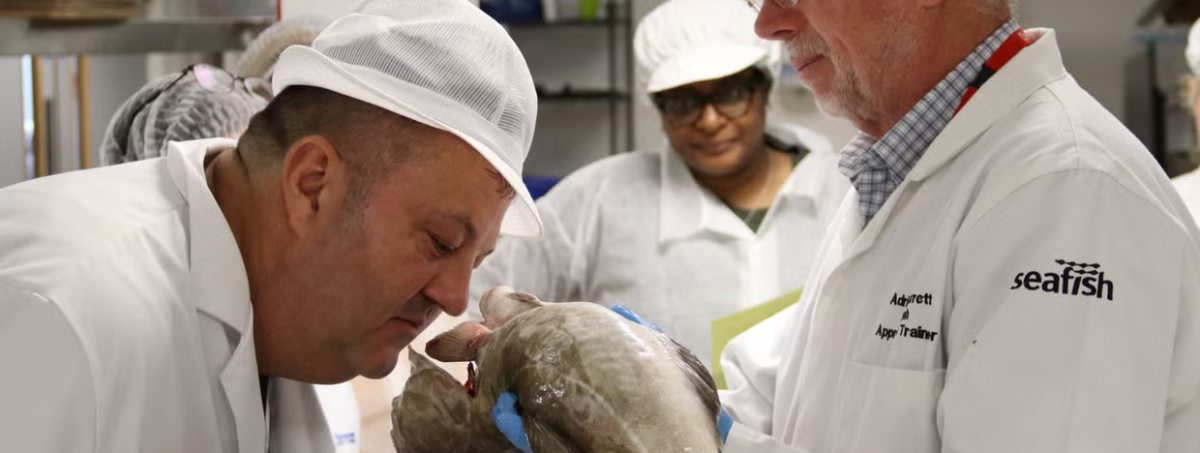
For the first time, the funding extends beyond catching-sector training into onshore courses covering food hygiene, HACCP, health and safety, fish quality assessment and smoking, alongside the UK Seafood Federation's Future Seafood Leaders Programme in Peterhead. Eligible fishers in England and Scotland can claim up to £10,000 (approximately €11,700) towards training costs, subject to availability.
For HR and workforce development functions across the seafood supply chain, the expansion signals a shift from catching-sector-only safety training toward sector-wide skills investment spanning processing, retail and leadership development. As onshore businesses gain access to publicly funded training for the first time, workforce development budgets across the wider supply chain look likely to stretch further than before.
Source: IntraFish / Salmon Business / The Fishing Daily












.png)